Shoe Sole Manufacturer for Wholesale and OEM Orders

Established in 2010 and based in the High-tech Zone of Xinxiang, Henan, China, Solekivo Shoes Soles focuses on manufacturing and supplying footwear soles and outsoles for shoe factories, footwear brands, importers and wholesale buyers. Our six core categories are sneaker, boot, slipper, flip flop, heel and canvas shoe soles. We discuss sole materials, size grading, outsole tread, mould availability, drawings or physical samples and packaging before confirming OEM or bulk-order quotations. Share the sole reference, required sizes, estimated pairs and shipping destination to start a practical specification review.

Established in 2010

Based in the High-tech Zone, Hongqi District, Xinxiang, Henan, China.

Six Sole Categories

Sneaker, boot, slipper, flip flop, heel and canvas shoe outsoles.

OEM Development

Material, tread design, sizing, mould and sample requirements reviewed by project.

Bulk Order Supply

Quotation review includes quantities, inspection, packing and export destination.

Shoe Sole Types for Footwear Production

Explore six independent categories of outsoles and sole units for shoe production. Match the sole shape, materials, traction pattern and dimensions to the intended footwear before requesting samples or a manufacturing quotation.
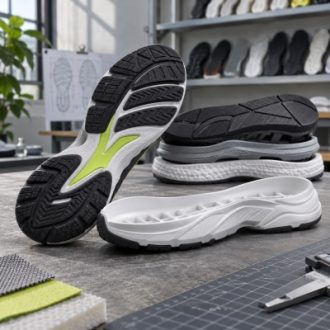
Sneaker rubber outsoles and EVA sole units with textured tread patterns for OEM footwear manufacturing

Sneaker Soles

Athletic and casual sneaker outsoles; review EVA or rubber construction, weight, tread design and size grading.

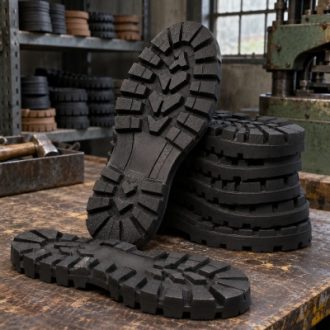
Black rubber boot outsoles with deep lug tread patterns displayed on a footwear manufacturing workshop table

Boots Soles

Boot outsole shapes and lug profiles for footwear factories; specify compound, tread depth and intended use.
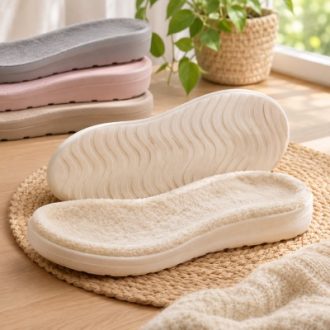
Soft slipper sole units in cream and pastel colors with textured outsoles and cushioned construction

Slipper Soles

Slipper sole units for footwear brands; compare lightweight compounds, thickness, softness and finish.
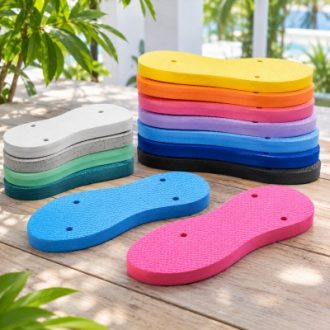
Colorful EVA flip flop sole blanks with textured surfaces and strap holes displayed in multiple colors

Flip Flop Soles

Moulded flip flop sole blanks for bulk orders; check strap-hole position, thickness, shape and colour.

Black and beige high heel sole components showing curved profiles, heel structures and molded construction

Heels Soles

Heel-shoe sole components for brand production; review profile curvature, stiffness and last matching.
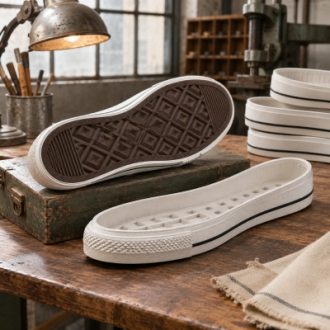
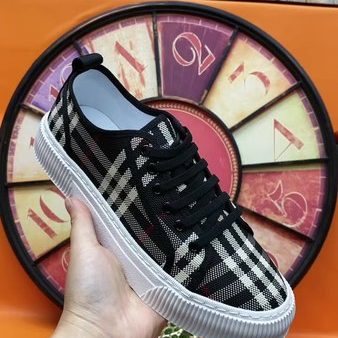
White rubber canvas shoe sole units with dark waffle tread patterns and textured sidewalls on a workshop table

Canvas Shoes Soles

Canvas shoe outsoles for factory production; compare rubber tread patterns and bonding compatibility.

Sneaker Soles for OEM Footwear Production

Review sneaker outsole patterns, structural profiles and material combinations for production orders. Confirm last compatibility, mould availability and the required size run before discussing bulk quantity.

Boot Soles for Wholesale and OEM Orders

Compare boot outsole structures for everyday, outdoor and work-oriented footwear designs. Traction performance and any protective footwear claims require application-specific verification.

Slipper Soles for Bulk Shoe Manufacturing

Review lightweight slipper sole constructions, thickness, textures and size assortments for indoor and casual footwear production. Material and hardness selections depend on the end-use requirement.

Flip Flop Soles for OEM and Wholesale Supply

Compare moulded sole blanks and profiles for flip flop production. Confirm the strap-hole layout, compound, size run, surface texture and packaging before sample approval.

Heel Soles for Footwear Manufacturers

Review sole shapes for heeled footwear, with attention to the last profile, heel-seat construction, forepart flexibility and assembly fit. Specifications are evaluated against the intended shoe design.

Canvas Shoe Soles for OEM Production

Explore outsole constructions used for canvas and vulcanised-style shoe projects. Confirm rubber compound, tread geometry, foxing compatibility and the specified assembly method.

Custom Shoe Soles and OEM Development

OEM sole projects begin with a drawing, existing sample or target shoe-last dimensions. Solekivo reviews whether an existing mould can be used or a new mould needs to be developed. Material, sizing, tread design, logo marking and approved sample requirements are discussed before tooling and production terms are agreed.

Drawings and Moulds

Review technical drawings, physical references, sole profile and tooling requirements before quotation.

Material and Hardness

Compare rubber, EVA, TPR, TPU, PU or other applicable compounds by application and production route.

Tread and Branding

Specify outsole texture, colour, logo embossing or debossing, and any mould limitations.

Development Samples

Confirm dimensional fit, appearance and construction on a reviewed sample before bulk release.

Shoe Sole Materials and Construction

Material choice depends on the sole location, footwear design and performance requirement. Rubber is often selected for outsole tread; EVA may suit lightweight moulded units; thermoplastic compounds and PU constructions have different process and design considerations. A technical specification is agreed by product rather than assuming one compound suits all styles.

Rubber Outsoles

Discuss tread geometry, compound hardness, wear and flex requirements for the intended application.

EVA Sole Units

Review weight, density, cushioning profile, thickness and dimensional consistency.

TPR / TPU

Review moulding compatibility, surface finish, resilience and suitable outsole construction.

PU and Composites

Confirm material system, bonding or assembly requirements and application-specific limits.

Shoe Sole Manufacturing and Factory Processes

Sole production depends on the chosen compound, design and mould. Typical manufacturing activities include raw material preparation, mould setup, applicable injection or compression moulding, trimming, finishing, in-process checks and packing. The responsible equipment and production route are confirmed for each approved style.

Material Preparation

Verify materials, colour batches and formulation requirements against the approved specification.

Moulding and Forming

Review mould preparation and the appropriate moulding process for the material and shoe sole structure.

Trimming and Finishing

Remove excess material, inspect sole edges and confirm tread and surface appearance.

Packing and Dispatch

Sort by style, size and colour; verify carton marks and prepare documented export packing.

Quality Checks for Shoe Soles and Outsoles

Quality requirements should be set against the approved sample and purchase specification. Depending on the material and intended use, inspection can address dimensions, appearance, hardness, flex resistance, abrasion or adhesion. Test methods, thresholds and any third-party testing must be agreed separately; not all tests apply to every style.

Fit and Dimensions

Check sole length, width, thickness, shape and the agreed tolerances.

Appearance and Hardness

Review moulding marks, edge finish, colour variation and relevant hardness measurements.

Performance Testing

Agree applicable abrasion, flex, slip or bonding tests and document the requested method.

Final Lot and Carton Checks

Verify inspected lot, size ratio, quantities, packaging and carton identification.

Factory and Product Evidence for Overseas Buyers

Solekivo Shoes Soles is based in Xinxiang, Henan, China and has operated since 2010. For a specific project, buyers should review the actual sole samples, applicable materials, production route, inspection scope and order documentation. Detailed factory capacity, certification and equipment claims should be supported by current records rather than generic assurances.

Factory Profile

Confirm business identity, operating location and project-specific production arrangements.

Specification Review

Define the sole construction, size assortment, mould scope and measurable acceptance criteria.

Tooling and Production

Separate existing-mould orders from newly developed tooling and confirm responsibilities.

Export Preparation

Check shipping terms, packing specifications, carton marks and destination requirements.

MOQ, Samples and Production Lead Times

Minimum order quantity and schedule depend on available tooling, compound, colour, size assortment and production loading. The planning references below are indicative for discussion only; a confirmed quotation and production plan govern each purchase order.

Existing-Mould Orders

Indicative 500–1,000 pairs per style; final MOQ depends on model, colour and size breakdown.

New OEM Projects

Indicative 1,000–3,000 pairs by style or colour; new tooling may involve separate costs.

Sample Preparation

Existing-style samples may take 5–10 working days; new development may require 15–30 working days.

Bulk Lead Time

A 25–45-day planning range may apply after sample, materials and order terms are approved.

What We Need for a Shoe Sole Quotation

A complete enquiry reduces drawing revisions and avoids quoting a sole that does not match the intended shoe. Send a photo or drawing, intended application, material, last or size range, quantity by variation, logo or packaging requirements and destination. Indicate whether existing tooling is acceptable or a new mould is required.

Reference and Specifications

Send a sample or drawing, sole profile, tread reference, material, thickness and size range.

Order Quantity

Provide expected pairs by style, colour and size, including any repeat-order estimate.

Mould and Branding

State tooling needs, logo requirements, artwork, colours and packaging instructions.

Destination and Terms

Provide destination country or port, target delivery date and preferred shipping term.

From Inquiry to Shoe Sole Bulk Shipment

A defined order sequence allows both parties to approve the same technical and commercial requirements before volume manufacturing. Material or mould changes after approval can change the cost, sample schedule and delivery date.

1. Requirement Review

Confirm sole type, reference, application, materials, quantity and manufacturing feasibility.

2. Sample Approval

Review the size run, tread, appearance, marking, compound and agreed sample criteria.

3. Production and QC

Release the approved specification and carry out the agreed in-process and final checks.

4. Packing and Shipment

Verify size-sorted quantities, labels, export cartons and shipping documents.

Who We Supply

Our manufacturing and supply discussions are structured around the needs of business buyers rather than individual footwear consumers. Project priorities can differ between new-product development and repeat bulk procurement.

Footwear Brands

Design-oriented projects covering outsole appearance, brand marking, mould ownership and sampling approvals.

Shoe Factories

Repeat component supply focused on fit, compound consistency, size assortment and production dates.

Importers and Wholesalers

Multi-style sourcing with agreed minimums, packaging, export documents and shipment coordination.

Shoe Sole Manufacturer FAQ

The answers below explain common quotation variables. Exact suitability, testing and commercial conditions must be confirmed for each order.

Can you make soles from a drawing or sample?

OEM development can be reviewed from drawings or physical sole references. A tooling assessment and approved sample are required before agreeing a custom moulded project.

What is the MOQ for shoe sole orders?

The indicative range depends on existing or new tooling, compound, colours and the size mix. A written MOQ is provided after reviewing the exact sole.

Are all soles available in EVA, rubber and TPU?

No. Material compatibility depends on the design, construction and available manufacturing process. We check the required compound against the selected sole.

How do you handle custom mould ownership?

Tooling cost, storage, access, maintenance and ownership should be defined in the written development or purchase agreement.

Which quality tests can be arranged?

Applicable hardness, abrasion, flex, slip or adhesion testing can be discussed by material and target market. Testing methods and reports are confirmed by project.

How are export shipments prepared?

Packing is agreed by pair, style, size and carton. Shipping terms and documentation depend on destination and the confirmed order.

Shoe Sole Buying and Technical Resources

Use the product categories and deeper OEM, manufacturing and quality pages to check materials, sole construction, tooling questions and export requirements. Each guide should link back to the actual styles and verified practices.

Sole Types and Materials

Compare outsole profiles and material options before a size or compound decision.

OEM and Tooling

Review mould development, sample approval and specification control for custom orders.

Inspection and Export

Review measurable acceptance criteria, packing and shipment preparation.

Discuss Your OEM or Wholesale Shoe Sole Order

Send Solekivo Shoes Soles your preferred sole type, drawing or photo, material, size range, estimated pairs, tooling needs, logo or carton instructions and destination. Based in Xinxiang, Henan, China, we can review the project specifications and discuss the appropriate sample and quotation steps.